
Thermally broken steel windows help keep homes warmer in winter by using an insulating barrier between the interior and exterior portions of the steel frame. This barrier reduces heat transfer through the metal, helping interior surfaces stay warmer and lowering the risk of condensation. When combined with insulated glass and proper installation, thermally broken steel windows can improve comfort and energy efficiency during colder weather.
At Metro Steel Windows & Doors, we believe homeowners should not have to choose between sophisticated architectural design and practical thermal performance. Our custom steel window solutions combine the strength and narrow sightlines of steel with technologies designed to improve insulation and comfort. Whether you’re building a contemporary home, renovating an older property, or replacing outdated windows, understanding thermal break technology can help you make a more informed investment. Cooler weather often reveals weaknesses in older window systems, from uncomfortable cold spots to condensation along the frames. Our approach emphasizes thoughtful design, quality materials, and helping customers select window configurations that meet their aesthetic and functional goals.
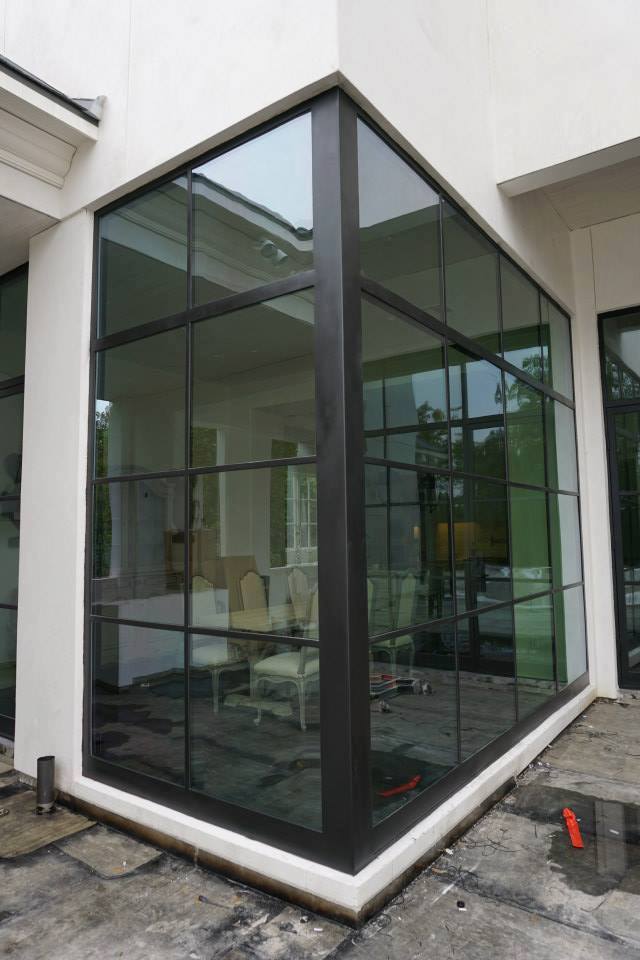
Understanding the Winter Benefits of Thermally Broken Steel Windows
Traditional steel is a highly conductive material, meaning heat can move relatively easily through an uninterrupted metal frame. Thermal break technology addresses this characteristic by introducing an insulating component that separates the interior and exterior steel sections.
Metro Steel Windows & Doors offers thermally broken steel window solutions designed to combine slender architectural profiles with improved thermal performance.
Metro Steel Windows & Doors
+1
What Makes Thermally Broken Steel Windows Different From Traditional Steel Windows?
The primary difference is the insulating barrier within the window frame that interrupts heat transfer through the steel.
Traditional steel window frames often have a continuous metal connection between the outdoor and indoor surfaces. During winter, this allows heat to move from the warmer interior toward the colder exterior.
Thermally broken steel windows use a material with lower thermal conductivity to interrupt that connection.
This construction offers several important advantages:
- Reduced heat transfer: The thermal barrier slows heat movement through the frame.
- Improved interior comfort: Interior frame surfaces can remain warmer during cold weather.
- Lower condensation risk: Warmer interior surfaces are less likely to reach the temperature at which moisture condenses.
- Architectural flexibility: Steel supports narrow profiles that complement both contemporary and traditional designs.
- Compatibility with insulated glazing: Appropriate glass configurations can further improve whole-window performance.
Metro Steel describes thermal barrier systems that incorporate insulating materials into steel profiles while preserving the refined appearance associated with steel windows.
The actual performance depends on the specific frame design, glazing configuration, and installation.
Metro Steel Windows & Doors
+1
How Do Thermally Broken Steel Windows Improve Energy Efficiency in Winter?
Thermally broken steel windows improve winter energy efficiency by reducing conductive heat loss through the window frame.
Heat naturally moves from warmer areas toward cooler ones. During winter, indoor heating systems maintain comfortable temperatures while outdoor conditions create a temperature difference across windows.
Without an effective thermal barrier, steel frames can provide a direct pathway for heat transfer.
Thermal breaks reduce this pathway, helping limit unnecessary heat loss.
However, window energy efficiency depends on more than the frame.
Three important performance factors include:
- U-factor: Measures the rate of heat transfer through a window assembly. A lower U-factor generally indicates better insulating performance.
- Solar Heat Gain Coefficient (SHGC): Indicates how much solar radiation enters through the window. Appropriate values depend on climate, orientation, and building design.
- Air leakage: Measures how much air passes through the window assembly under specified test conditions.
According to the U.S. Department of Energy, U-factor and solar heat gain coefficient are important considerations when choosing energy-efficient windows.
For homeowners comparing modern steel windows, reviewing whole-window performance information is more useful than evaluating frame materials alone.
A properly specified thermally broken steel window can contribute to better winter comfort, although energy savings vary by property and installation conditions.
Can Thermally Broken Steel Windows Help Prevent Winter Condensation?
Thermally broken steel windows can reduce condensation risk by helping keep interior frame surfaces warmer.
Condensation occurs when warm, moisture-containing indoor air contacts a surface cold enough for water vapor to condense.
Traditional metal frames can become particularly cold during winter because metal readily conducts heat.
A thermal barrier limits heat transfer through the frame, which can help maintain higher interior surface temperatures.
However, thermal breaks do not eliminate every possible cause of condensation.
Homeowners should also consider:
- Indoor humidity: Excess moisture increases the likelihood of condensation.
- Glass performance: Insulated glazing helps control interior glass temperatures.
- Ventilation: Adequate ventilation helps manage indoor moisture levels.
- Installation quality: Gaps or thermal bridges around window openings can create cold surfaces.
- Outdoor temperatures: Extremely cold conditions can increase condensation risk even with improved window systems.
If condensation frequently appears on interior glass or frames, evaluate indoor humidity and window performance together.
Moisture trapped between panes of insulated glass may indicate a failed glazing seal rather than a problem with the frame’s thermal break.
What Glass Options Work Best With Thermally Broken Steel Windows?
Insulated glazing is an important companion to thermally broken steel frames because both components help manage heat transfer.
A high-performance frame cannot fully compensate for poorly insulated glass.
For winter comfort, homeowners should consider several glazing characteristics.
Double-pane insulated glass: Two panes separated by a sealed space provide better insulation than typical single-pane glass.
Low-emissivity glass: Low-E coatings reduce radiant heat transfer and can help retain indoor warmth during cooler months.
Gas-filled glazing: Some insulated glass units use argon or another insulating gas between panes to reduce heat transfer.
Appropriate glass thickness: Glazing must be compatible with the window system’s specifications and structural requirements.
Metro Steel Windows & Doors offers steel window configurations prepared for dual-pane glass, with customization options depending on the project.
Exterior Doors
The best combination depends on the climate, window orientation, architectural requirements, and desired performance.
Homeowners should review available glazing specifications before finalizing a custom window order.
Are Thermally Broken Steel Windows Worth Considering for a Home Renovation?
Thermally broken steel windows are worth considering when homeowners want the distinctive appearance of steel with improved thermal performance.
They can be particularly appealing in renovations where maintaining architectural character is important.
For example, older homes may feature narrow window frames that contribute significantly to the building’s appearance. Replacing those windows with bulky alternatives can change the original design.
Custom steel profiles may provide an opportunity to retain slender sightlines while incorporating modern glazing and thermal barrier technology.
Metro Steel Windows & Doors has also highlighted thermally broken steel window systems for historical renovation projects, where preserving architectural details is an important consideration.
Metro Steel Windows & Doors
Before selecting replacement windows, homeowners should evaluate the condition of existing openings, installation requirements, desired glazing, and applicable building codes.
For properties with historic designation, additional preservation requirements may apply.
The right window system should balance appearance, thermal performance, durability, and project budget.
Frequently Asked Questions About Thermally Broken Steel Windows
Are thermally broken steel windows better for cold weather?
Thermally broken steel windows generally provide better frame insulation than comparable steel windows without a thermal barrier. Whole-window performance also depends on the glazing, seals, and installation.
Do thermally broken steel windows eliminate drafts?
Not automatically. Thermal breaks reduce heat conduction through the frame, while weatherstripping, construction quality, and proper installation help control air leakage.
Can thermally broken steel windows reduce heating costs?
They may reduce heating demand by limiting heat loss through the window assembly. Actual savings depend on the previous windows, climate, home insulation, heating system, and window specifications.
Do thermally broken steel windows require special maintenance?
Routine cleaning and periodic inspection of seals, hardware, and drainage areas are generally recommended. Follow the manufacturer’s care instructions and avoid products that could damage protective finishes or sealing materials.
Upgrade Your Home With Thermally Broken Steel Windows
Choosing the right windows is an investment in your home’s appearance, comfort, and long-term functionality.
Thermally broken steel windows offer a practical way to enjoy the clean lines, strength, and architectural appeal of steel while addressing the challenges of heat transfer during cooler weather.
At Metro Steel Windows & Doors, we help homeowners, architects, and builders explore custom steel window solutions that complement their projects and performance priorities.
Ready to explore thermally broken steel windows for your home? Contact Metro Steel Windows & Doors today to discuss your design goals and available options.