
Exterior steel door weatherstripping may need replacement if you notice cold drafts, visible gaps, cracked or flattened seals, water intrusion, or increased outdoor noise around a closed door. Inspecting the weatherstripping before winter helps identify worn seals that can reduce comfort and energy efficiency. Replacing damaged weatherstripping can improve the door’s seal without requiring replacement of the entire steel door.
At Metro Steel Windows & Doors, we understand that a beautiful entry door should offer more than architectural appeal. Modern steel doors combine distinctive design with practical features that support everyday comfort and functionality. However, even a well-designed exterior door needs properly maintained seals to perform as intended. Seasonal temperature changes, moisture, and regular use can gradually affect weatherstripping. Knowing when to inspect or replace these components helps homeowners protect their investment and maintain a more comfortable interior. Whether you have a contemporary steel entry door or a custom steel and glass design, understanding basic weatherstripping maintenance is an important part of preparing your home for cooler weather.
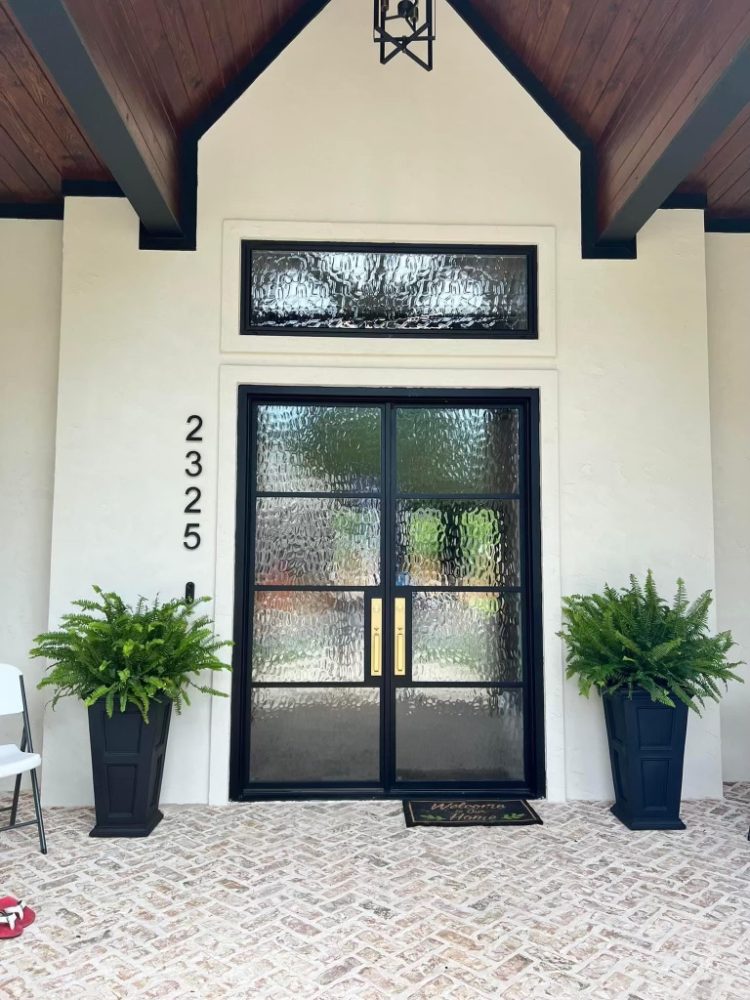
Signs Your Steel Entry Door Needs New Weatherstripping
Weatherstripping creates a seal between the door and its frame, helping limit unwanted air movement and moisture intrusion. When the material becomes damaged, compressed, or loose, the seal may no longer function effectively.
What Are the Most Common Signs of Worn Door Weatherstripping?
The most noticeable signs of failing weatherstripping are drafts, visible deterioration, and gaps around the closed door.
Homeowners should watch for several warning signs:
- Cold drafts: Air entering around the door’s edges may indicate worn or improperly positioned seals.
- Cracked or brittle material: Rubber and other flexible sealing materials can deteriorate with age and exposure.
- Flattened weatherstripping: Repeated compression may prevent a seal from returning to its original shape.
- Visible light around the door: Light passing through an unexpected gap can indicate an incomplete seal.
- Water intrusion: Moisture appearing near the door after rain may indicate a sealing or drainage issue.
- Increased outdoor noise: A deteriorating seal can allow more exterior sound to enter.
These symptoms do not always mean the weatherstripping itself has failed. Door alignment, threshold adjustments, and frame conditions can produce similar problems.
Identifying the source of the issue is essential before selecting a repair.
How Can You Test Steel Door Weatherstripping Before Winter?
A simple visual inspection and a few basic tests can help determine whether your exterior steel door is sealing properly.
Start by closing the door completely and examining the perimeter. Look for loose sections, visible cracks, uneven compression, or areas where the weatherstripping has separated from its mounting surface.
Next, try these practical checks:
- Perform the paper test: Close the door on a piece of paper at several locations along the seal. If the paper slides out with little resistance in one area, the seal may not be making sufficient contact.
- Check for drafts: On a windy day, carefully feel around the closed door for noticeable air movement.
- Inspect the threshold: Look for gaps between the bottom of the door and the threshold seal.
- Examine the corners: Pay particular attention to areas where vertical and horizontal weatherstripping meet.
- Check door operation: Confirm that the door closes and latches normally without requiring excessive force.
A paper test provides a useful preliminary indication, but it does not measure air leakage or confirm that a seal meets a particular performance standard.
For homeowners with custom steel doors, manufacturer-specific seal profiles and hardware adjustments may require professional attention.
Why Does Weatherstripping Matter for Winter Energy Efficiency?
Proper weatherstripping helps reduce uncontrolled air leakage around exterior doors, which can improve indoor comfort and reduce unnecessary heating demand.
According to the U.S. Department of Energy, air sealing is an important part of improving household energy efficiency. Its guidance identifies weatherstripping as a method for sealing movable building components, including doors and operable windows.
During cooler months, worn seals may allow heated indoor air to escape while permitting cold outdoor air to enter. This can create uncomfortable drafts near entryways and increase the workload on heating equipment.
For modern steel doors with glass panels, weatherstripping is only one part of overall thermal performance. Glazing, frame construction, thermal breaks, installation quality, and door alignment also influence heat transfer and air leakage.
Replacing damaged seals can address perimeter leakage, but it cannot correct every source of heat loss.
Should You Replace Weatherstripping Yourself or Contact a Professional?
Some standard door weatherstripping can be replaced by homeowners, but custom steel doors may require specialized components or adjustments.
Before purchasing replacement material, identify the existing seal type and how it attaches to the frame. Common designs include compression seals, kerf-mounted gaskets, and threshold seals.
Using an incorrect replacement can create several problems:
- A seal that is too thick may prevent the door from closing or locking correctly.
- A seal that is too thin may leave unwanted air gaps.
- An incompatible material may not fit the existing mounting channel.
- Incorrect installation may interfere with drainage or door operation.
Avoid removing original gaskets until you have confirmed that a compatible replacement is available.
If the door is misaligned, difficult to latch, or allowing water inside, a professional inspection may be more appropriate than replacing weatherstripping alone.
How Can You Help Steel Door Weatherstripping Last Longer?
Regular cleaning, inspection, and proper door operation can help extend the useful life of exterior door seals.
Inspect weatherstripping at least twice a year, ideally before winter and after periods of severe weather. Remove accumulated dirt using a soft cloth and a mild cleaning solution compatible with the seal material.
Avoid harsh chemicals, abrasive tools, and unapproved lubricants that could damage rubber or other flexible components.
Also check that hinges, locking hardware, and thresholds allow the door to close evenly. A properly fitted seal should make consistent contact without requiring excessive force.
These preventive steps help homeowners identify small maintenance concerns before they become more disruptive.
Frequently Asked Questions About Steel Door Weatherstripping
How often should exterior steel door weatherstripping be replaced?
There is no universal replacement schedule. Weatherstripping should be replaced when inspection reveals damage, loss of flexibility, poor contact, or air leakage that cannot be corrected through adjustment.
Can damaged weatherstripping cause condensation around a steel door?
Damaged weatherstripping can contribute to condensation by allowing cold air to enter and cool nearby interior surfaces. However, condensation may also result from indoor humidity, glazing performance, or thermal bridging.
Does replacing weatherstripping make a steel door more energy efficient?
Replacing deteriorated weatherstripping can reduce air leakage and improve comfort. The overall energy benefit depends on the condition of the original seal, door construction, and other sources of heat loss.
Can you use universal weatherstripping on a custom steel door?
Not always. Custom steel doors may use specific gasket profiles or mounting systems. Confirm compatibility with the door’s manufacturer or product specifications before installing replacement material.
Prepare Your Steel Doors for Cooler Weather With Metro Steel Windows & Doors
A well-maintained exterior steel door contributes to both architectural appeal and everyday comfort. Inspecting weatherstripping before winter can help you identify drafts, protect interior spaces from unwanted moisture, and maintain proper door operation.
At Metro Steel Windows & Doors, we appreciate the importance of combining thoughtful design with functional performance.
Considering a custom steel entry door for your home? Explore your options and contact Metro Steel Windows & Doors to discuss your project.