
Double glazing improves the winter performance of steel windows by reducing heat transfer through the glass, helping maintain comfortable indoor temperatures and lowering heating demands. Two panes of glass separated by an insulating space provide better thermal protection than single glazing. When combined with thermally broken steel frames, double glazing can also reduce interior condensation and improve overall energy efficiency.
At Metro Steel Windows & Doors, we understand that homeowners want windows that combine architectural beauty with dependable performance. Steel windows are known for their strength, slim profiles, and timeless appearance, but choosing the right glazing is essential for maintaining indoor comfort during colder months.
Modern steel window systems offer advanced glazing options that help homeowners enjoy expansive glass surfaces without unnecessarily sacrificing energy efficiency. Whether you’re building a contemporary home, renovating a traditional property, or upgrading existing windows, understanding how double glazing works can help you make a more informed investment.
Our focus is on helping customers find steel windows that balance elegant design, durability, and practical performance throughout the year.
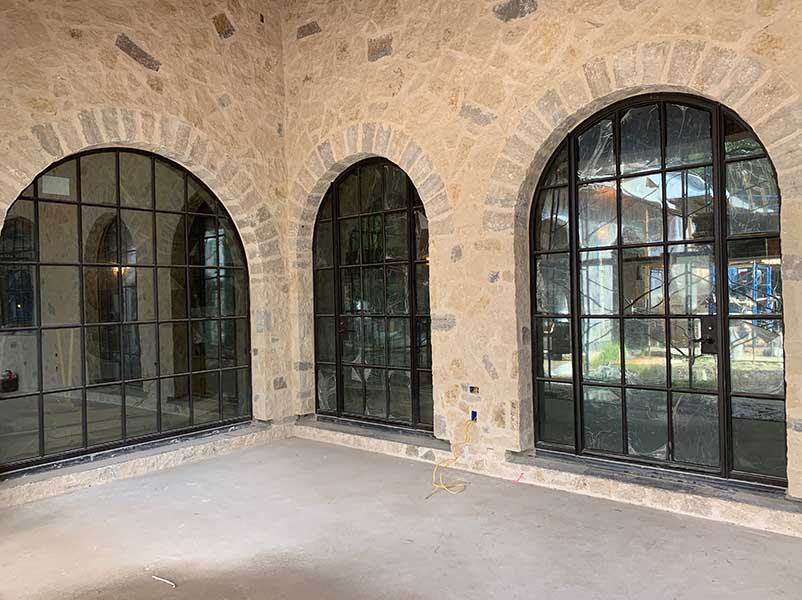
Energy-Efficient Steel Windows: How Insulated Glass Improves Cold-Weather Comfort
Double glazing is one of the most important features to consider when evaluating steel windows for winter performance. However, the glass is only part of the equation. Frame construction, weatherstripping, installation quality, and thermal breaks also influence how effectively a window retains heat.
How Does Double Glazing Keep Steel Windows Warmer in Winter?
Double glazing reduces heat loss by creating an insulating space between two panes of glass. This space is typically filled with air or an insulating gas, such as argon, which slows heat transfer between indoor and outdoor environments.
Compared with traditional single-pane windows, double-glazed steel windows can offer several advantages:
- Improved insulation: Two panes and an insulating gap reduce heat transfer through the glazing.
- More consistent indoor temperatures: Better insulation helps limit cold spots near windows.
- Reduced heating demands: Less heat escaping through the glass can reduce the energy needed to maintain comfortable temperatures.
- Improved condensation resistance: Warmer interior glass surfaces can reduce the likelihood of moisture forming on the glass.
- Better sound insulation: Certain double-glazed configurations can also reduce outside noise.
The U.S. Department of Energy explains that windows contribute to approximately 25% to 30% of residential heating and cooling energy use through heat gain and heat loss. Choosing energy-efficient glazing is therefore an important consideration for homeowners seeking better thermal performance.
For optimal results, homeowners should evaluate the complete window system rather than focusing exclusively on the number of glass panes.
Why Are Thermal Breaks Important in Double-Glazed Steel Windows?
Thermal breaks reduce heat transfer through steel window frames, complementing the insulating benefits of double glazing.
Steel is naturally conductive, meaning it transfers heat relatively easily. During winter, a conventional steel frame can allow indoor warmth to escape even when the window contains insulated glass.
Thermally broken steel windows address this issue by incorporating an insulating barrier between the interior and exterior portions of the frame.
This construction provides several benefits:
- Reduced thermal bridging: The insulating barrier limits heat transfer through the steel frame.
- Improved interior comfort: Interior frame surfaces can remain warmer during cold weather.
- Better condensation resistance: Reducing cold interior surfaces can help minimize moisture accumulation.
- Improved whole-window efficiency: Thermal breaks help the frame complement the performance of insulated glazing.
For homeowners comparing modern steel windows, selecting a thermally broken frame with double glazing can provide a more comprehensive approach to winter insulation.
The combination is particularly valuable in designs featuring large windows or expansive glass walls.
Can Double-Glazed Steel Windows Reduce Winter Energy Bills?
Double-glazed steel windows can reduce heating costs when they replace less efficient windows, although actual savings depend on the entire window assembly and the home’s characteristics.
Several factors determine potential energy savings:
- Existing window condition: Replacing single-pane or poorly sealed windows generally offers greater improvement opportunities.
- Glass specifications: Low-emissivity (Low-E) coatings and insulating gas fills can further reduce heat transfer.
- Frame construction: Thermally broken steel frames can improve overall thermal performance.
- Installation quality: Properly installed windows help prevent unwanted air leakage.
- Home insulation: Walls, roofing, and other building components influence heating demands.
The ENERGY STAR program identifies U-factor as a key measurement of window insulation. A lower U-factor indicates less heat transfer through the window assembly.
Homeowners should compare whole-window U-factor ratings rather than relying only on the insulating properties of the glass.
Although energy-efficient steel windows may require a greater initial investment, their benefits can include improved comfort, reduced heating demands, and long-term durability.
What Should Homeowners Look for When Choosing Double-Glazed Steel Windows?
The best double-glazed steel windows combine appropriate glass specifications, efficient frame construction, and dependable weather sealing.
When comparing products, homeowners should consider these features:
1. Insulated glass units
Look for properly sealed double-pane glass units designed to limit heat transfer. Argon-filled units may provide additional insulation compared with standard air-filled configurations.
2. Low-E glass coatings
Low-E coatings reduce radiant heat transfer while allowing natural light to enter. Different coating options can be selected based on climate and solar exposure.
3. Thermally broken frames
Thermal barriers are particularly important for steel window systems because they reduce heat conduction through the frame.
4. Quality weatherstripping
Effective seals around operable windows help limit unwanted air infiltration during cold or windy conditions.
5. Verified performance ratings
Ask about whole-window U-factor, air leakage performance, and applicable National Fenestration Rating Council (NFRC) ratings.
At Metro Steel Windows & Doors, we encourage homeowners to consider both the architectural appearance and technical specifications of their windows. Slim steel profiles can create striking designs, while carefully selected glazing and frame features help support year-round comfort.
How Can You Maintain Double-Glazed Steel Windows During Winter?
Regular maintenance helps double-glazed steel windows continue performing as intended.
Before winter arrives, inspect weatherstripping for cracking, compression, or gaps. Check operable windows to confirm that they close securely and that locking hardware engages properly.
Keep drainage openings clear, and inspect the surrounding sealant for visible deterioration. Clean glass and frames using products appropriate for the manufacturer’s finish recommendations.
Condensation also deserves attention. Moisture on the room-facing surface may indicate elevated indoor humidity or cold surfaces, while persistent fogging between the two glass panes can indicate failure of the insulated glass seal.
If condensation appears between panes, professional evaluation may be necessary because routine surface cleaning cannot correct a failed insulated glass unit.
These simple maintenance steps can help protect your investment and maintain reliable window performance.
Frequently Asked Questions About Double-Glazed Steel Windows
Are double-glazed steel windows energy efficient?
Yes. Double-glazed steel windows can provide good energy efficiency, especially when paired with thermally broken frames, Low-E coatings, and properly sealed construction. Actual performance depends on the complete window assembly.
Do double-glazed steel windows prevent condensation?
Double glazing can reduce condensation by keeping interior glass surfaces warmer. However, condensation may still occur when indoor humidity is high, outdoor temperatures are very low, or thermal bridging is present.
Is double glazing better than single glazing for steel windows?
Generally, yes. Double glazing provides better thermal insulation than comparable single glazing, helping reduce winter heat loss and improve indoor comfort.
Do steel windows need thermal breaks if they have double glazing?
Thermal breaks are strongly recommended when energy efficiency is a priority. Double glazing insulates the glass, while thermal breaks reduce heat transfer through the steel frame.
Upgrade Your Home With Energy-Efficient Steel Windows
Double glazing can make a meaningful difference in the winter performance of steel windows, particularly when combined with thermally broken frames and quality installation.
At Metro Steel Windows & Doors, we help homeowners explore modern steel window solutions that combine distinctive architectural style with practical performance.
Ready to improve your home’s comfort with beautiful, energy-efficient steel windows? Contact Metro Steel Windows & Doors today to discuss your project and explore your options!