
Thermally broken steel improves the energy efficiency and comfort of modern buildings by interrupting the direct path of heat through a steel window or door frame. This thermal barrier reduces heat transfer, helps control interior surface temperatures and condensation risk, and allows architects and homeowners to achieve the strength, narrow sightlines, and sophisticated appearance of steel with better thermal performance.
At Metro Steel Windows & Doors, we understand that modern architecture demands more than beautiful lines. Windows and doors must contribute to the performance of the entire building envelope. Our thermally broken steel window and door solutions combine the durability and refined appearance associated with steel with technology designed for today’s energy-conscious construction. Whether a project calls for expansive glazing, modern entry doors, or custom architectural openings, we help clients consider aesthetics, glazing, frame performance, and long-term functionality together. The result is a system designed to complement contemporary architecture without treating energy efficiency as an afterthought.
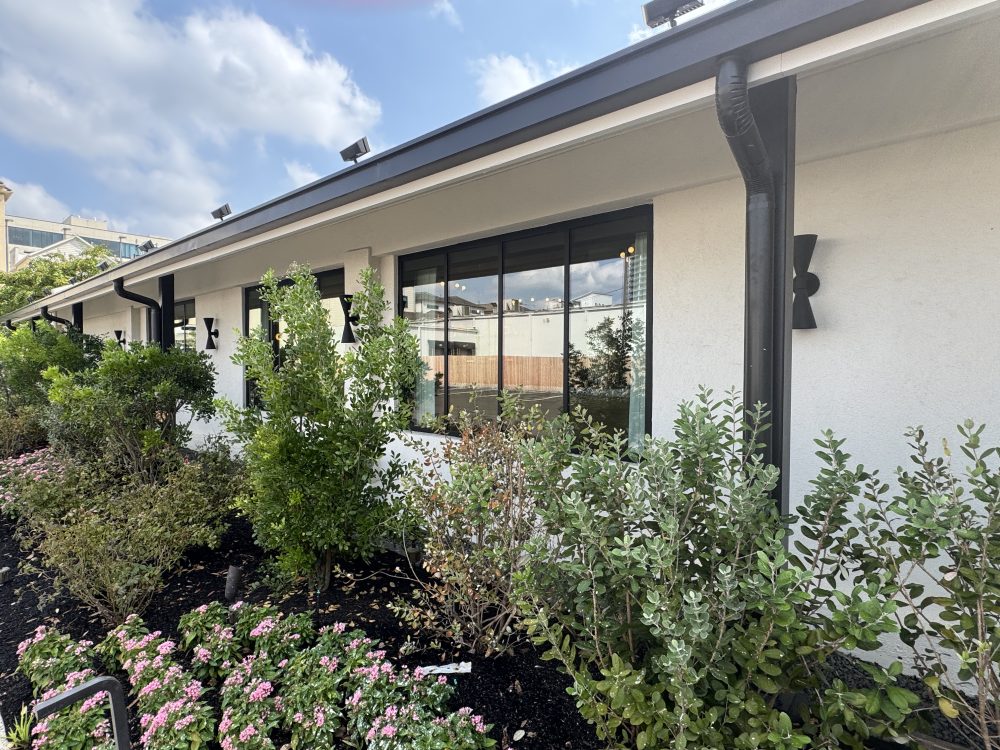
Why Thermally Broken Steel Windows and Doors Improve Building Performance
A thermal break separates the interior and exterior portions of a metal frame with a material that conducts substantially less heat. This interrupts the thermal bridge that would otherwise allow exterior temperatures to move more readily through the steel frame.
The principle is especially important with metal framing. Published Engineering ToolBox data, for example, lists thermal conductivity for various carbon steels at roughly 36 to 61 W/mK, depending on composition. In other words, steel conducts heat readily, which is precisely why controlling the heat-transfer path through a steel frame matters in an energy-efficient building.
Metro Steel Windows & Doors’ relevant search terminology includes thermally broken steel, thermal break steel doors, thermal break steel windows, and thermal barrier steel window systems, reflecting the close relationship between thermal performance and modern steel fenestration.
How Does a Thermal Break Make Steel Windows More Energy Efficient?
A thermal break makes a steel frame more energy efficient by reducing direct conductive heat transfer between its exterior and interior surfaces. Instead of allowing the metal frame to act as an uninterrupted thermal bridge, the insulating barrier creates resistance between the two sides.
This matters because windows can represent a significant portion of a building’s heating and cooling load. According to the U.S. Department of Energy, heat gain and heat loss through windows account for approximately 25% to 30% of residential heating and cooling energy use.
Several components work together to determine the actual performance of a thermally broken steel window:
- Thermal break design: Interrupts conductive heat flow through the frame.
- Insulated glass: Two or more panes create insulating spaces that can lower U-factor.
- Low-E coatings: Help control heat transfer through the glazing.
- Quality seals and installation: Reduce unwanted air and water infiltration.
- Whole-unit design: Frame, glass, spacers, seals, and installation should function as a complete system.
The Department of Energy notes that low-emissivity coatings can reduce energy loss through windows by 30% to 50%, demonstrating why the best results come from pairing a high-performance frame with properly selected glazing.
Can Thermally Broken Steel Help Reduce Condensation?
Yes. Thermally broken steel can help reduce the risk of interior frame condensation by keeping interior frame surfaces from becoming as strongly influenced by outdoor temperatures. Condensation occurs when a surface becomes cold enough for moisture in indoor air to reach its dew point.
Building Science Corporation specifically identifies thermally broken steel or aluminum as a strategy relevant to window condensation control. Its building-science guidance also stresses that the thermal break should align correctly with the wall’s insulation because misalignment can increase thermal loss and condensation risk.
The NFRC Consumer Guide to Windows similarly explains that thermal breaks reduce conduction and improve condensation resistance in metal frames.
This benefit can contribute to:
- More comfortable temperatures near windows and doors
- Less likelihood of cold interior frame surfaces
- Reduced condensation risk under appropriate indoor conditions
- Better protection for nearby finishes and building materials
- A more consistent interior environment
No window system can guarantee that condensation will never occur. Indoor humidity, outdoor temperature, glazing performance, installation, and ventilation all influence condensation. The thermal break is one important part of managing those conditions.
Why Does U-Factor Matter When Choosing Thermally Broken Steel Windows?
U-factor measures how readily heat passes through a window or door assembly, and a lower U-factor indicates less heat transfer. For energy-conscious projects, it provides a much more useful comparison than simply asking whether a product is described as “energy efficient.”
The Department of Energy recommends evaluating fenestration using both U-factor and solar heat gain coefficient (SHGC). U-factor measures heat flow through the assembly, while SHGC indicates how much solar heat enters through the product.
Energy codes are also placing increasing emphasis on fenestration performance. The U.S. Department of Energy’s analysis of the 2024 International Energy Conservation Code (IECC) notes that prescribed residential fenestration U-factors became more stringent in several colder climate zones compared with the 2021 IECC.
When evaluating thermally broken steel windows, ask for performance information that applies to the complete assembly whenever available, not simply the insulating properties of one component.
Do Thermally Broken Steel Frames Still Offer the Look of Traditional Steel?
Yes. The goal of a thermally broken steel system is to improve thermal performance while retaining the architectural qualities that make steel windows and doors desirable.
Steel is particularly suited to projects where homeowners, architects, and designers want an understated frame that complements large areas of glass. Depending on the system and project requirements, thermally broken steel can be used for modern steel windows, exterior doors, entry systems, and other architectural openings.
Key design advantages can include:
- Clean, refined frame profiles
- Expansive glass areas
- Strong architectural lines
- Durable steel construction
- Compatibility with contemporary and transitional designs
- Custom configurations for distinctive openings
That combination makes thermally broken steel especially appealing when a project needs to balance visual impact with building-envelope performance.
When Is Thermally Broken Steel Worth Considering?
Thermally broken steel is particularly worth considering for exterior windows and doors when both architectural appearance and thermal performance are priorities.
It can be a strong fit for new construction and major renovations featuring large glazed openings, modern architecture, custom steel doors, or high-performance building envelopes.
Before selecting a system, consider these questions:
- What whole-unit U-factor is required or desired?
- What SHGC is appropriate for the building’s climate and orientation?
- What glazing package will be used?
- How is the thermal break constructed and protected?
- How will the frame’s thermal break align with the wall insulation?
- What air and water performance does the complete system provide?
- Does the design meet applicable energy-code requirements?
The NFRC notes that frames can represent approximately 10% to 30% of a window unit’s total area, so frame properties can have a meaningful influence on whole-window performance. Choosing high-performance glass while ignoring frame performance can therefore leave an important thermal bridge unresolved.
Frequently Asked Questions About Thermally Broken Steel
What is thermally broken steel?
Thermally broken steel uses a low-conductivity barrier between interior and exterior portions of a steel frame. The barrier interrupts the direct metal path that would otherwise transfer heat more readily through the frame.
Are thermally broken steel windows energy efficient?
They can be highly energy-conscious when the thermal break is combined with appropriate insulated glazing, Low-E coatings, quality seals, and proper installation. Compare whole-window U-factor and SHGC values when evaluating specific systems.
What is the difference between thermally broken and traditional steel windows?
Traditional steel frames may provide a continuous conductive path from outside to inside. Thermally broken steel windows interrupt that path with an insulating barrier, helping improve thermal performance and condensation resistance.
Are thermal break steel doors useful too?
Yes. The same basic principle applies to thermal break steel doors. Interrupting conductive heat transfer through an exterior metal frame can help improve the overall thermal performance of the opening while preserving the appearance and strength of steel.
Bring Modern Design and Thermal Performance Together
Thermally broken steel offers a compelling answer to one of modern construction’s biggest design challenges: how to create expansive, refined steel windows and doors without overlooking energy performance. By combining a thermal barrier with carefully selected glazing and a well-designed building envelope, property owners and design professionals can enjoy the distinctive appearance of steel with improved comfort and efficiency.
Ready to explore thermally broken steel windows and doors for your project? Contact Metro Steel Windows & Doors today to discuss your design goals and available options.